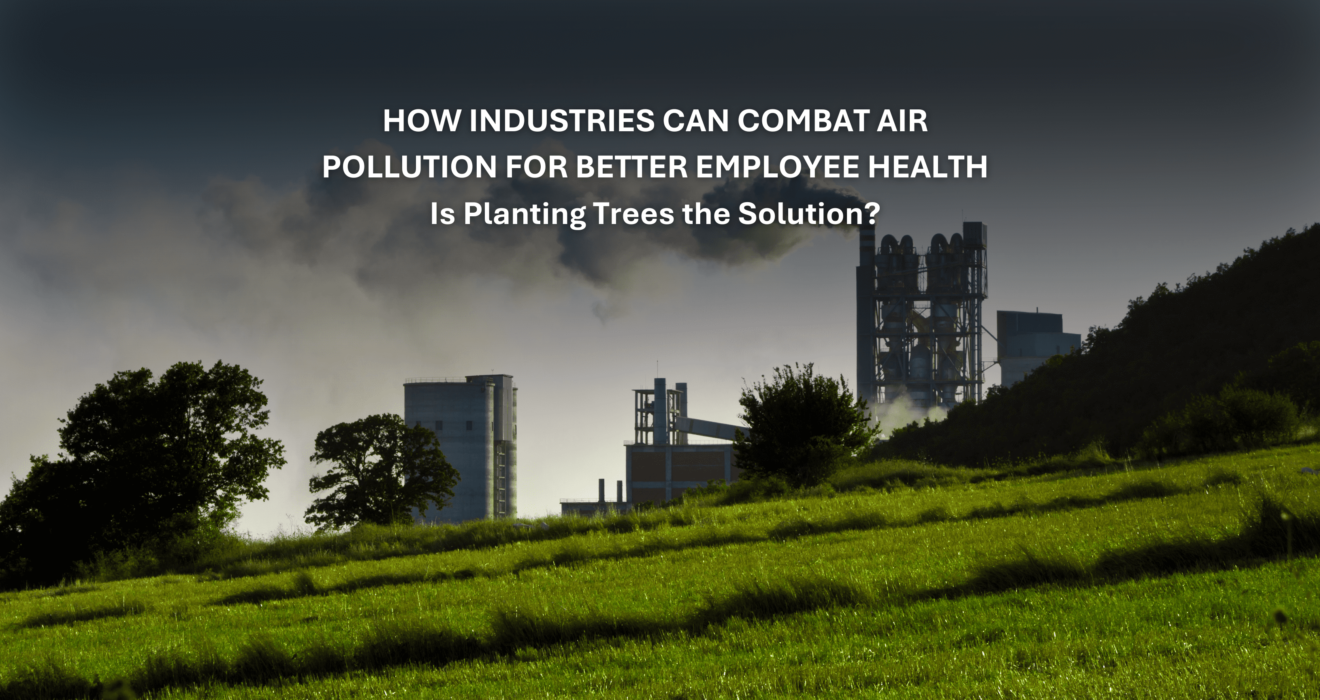
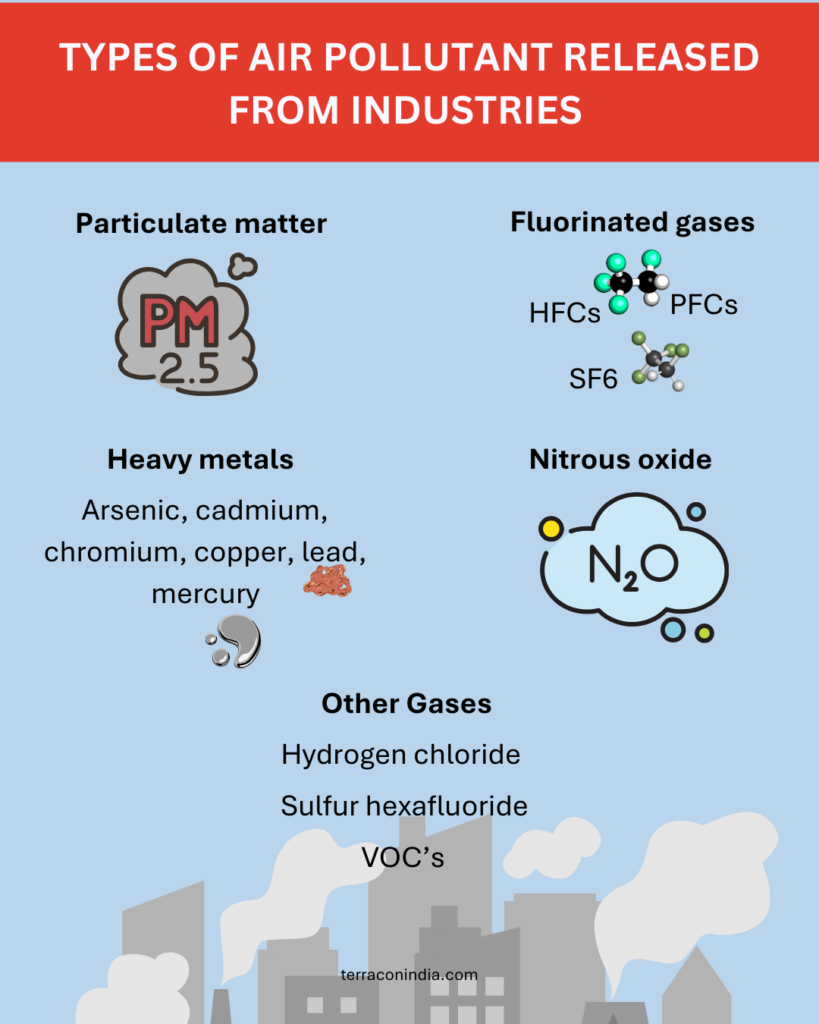
Breathing clean air is a matter of survival, as industrial pollution endangers both our health and the future of businesses. In India, a staggering 51% of air pollution originates from industrial activities, with factories emitting over 80 different toxins, including sulphur dioxide (SO₂), nitrogen oxides (NOₓ), and heavy metals like mercury and lead. The impact on health is dire: in 2019 alone, air pollution was responsible for 1.67 million deaths.
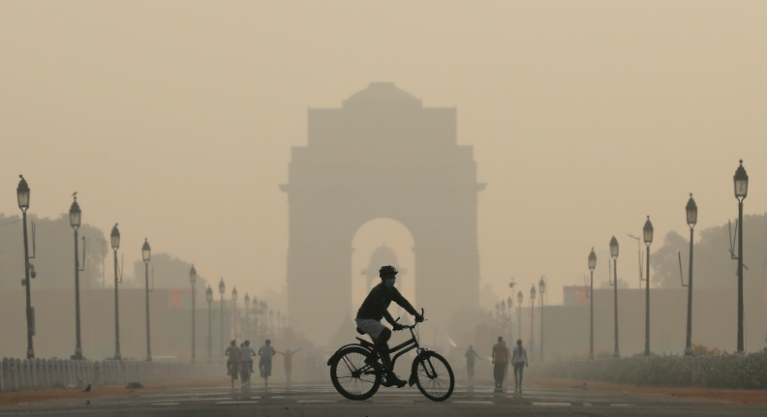
Companies should care about air pollution not only because of its significant business repercussions but also due to severe health impacts on their employees. Poor air quality directly affects employee health, leading to chronic illnesses, increased sick days, reduced productivity, and soaring healthcare costs.
Learn how industrial air pollution is harming the health of employees
The economic burden of pollution-related diseases is immense, with billions lost each year due to healthcare expenses and decreased labor productivity. Moreover, companies face reputational and compliance risks as environmental awareness grows. Consumers, investors, and regulatory bodies are increasingly scrutinizing companies that contribute to pollution. Governments are tightening emission regulations, and failure to adhere can result in costly fines, legal challenges, or even shutdowns.
One practical approach to mitigating air pollution is through the planting of trees. Trees have a remarkable ability to absorb pollutants and improve air quality. For instance, a single mature tree can absorb about 22 kilograms of carbon dioxide annually and release oxygen equivalent to what two people breathe in a year.This dual function—absorbing pollutants and producing oxygen—highlights the crucial role trees play in enhancing air quality. Imagining a patch of trees around industrial zones, the benefits become even more pronounced. Such patches create a natural barrier that can effectively reduce airborne pollutants, including harmful gases like sulphur dioxide (SO₂) and nitrogen oxides (NOₓ), as well as particulate matter and heavy metals released from industrial processes. The tree canopy acts as a physical filter, capturing and absorbing these pollutants before they can spread further into the atmosphere..
Historically, the concept of green belts—designated areas of vegetation around urban and industrial zones—has demonstrated significant effectiveness in improving environmental conditions. The idea gained prominence in the early 20th century, particularly with the development of green belts in the UK. These green belts were established to curb urban sprawl, improve air quality, and provide recreational spaces for city dwellers.
These early efforts demonstrated the significant benefits of integrating green spaces into industrial areas. To enhance these benefits today, green belts are developed with careful attention to plant species selection. Fast-growing, wind-firm, and long-lived species are chosen to ensure they can withstand the harsh conditions of industrial zones while effectively reducing airborne pollutants. By incorporating these robust plant species into green belts, companies can achieve long-term environmental and health improvements, creating healthier and more sustainable. Furthermore, trees provide a cooling effect by shading surfaces and releasing moisture through a process known as transpiration. This cooling effect can help combat the heat island effect commonly experienced in industrial areas, where concrete and asphalt contribute to elevated temperatures environments for employees and surrounding communities.
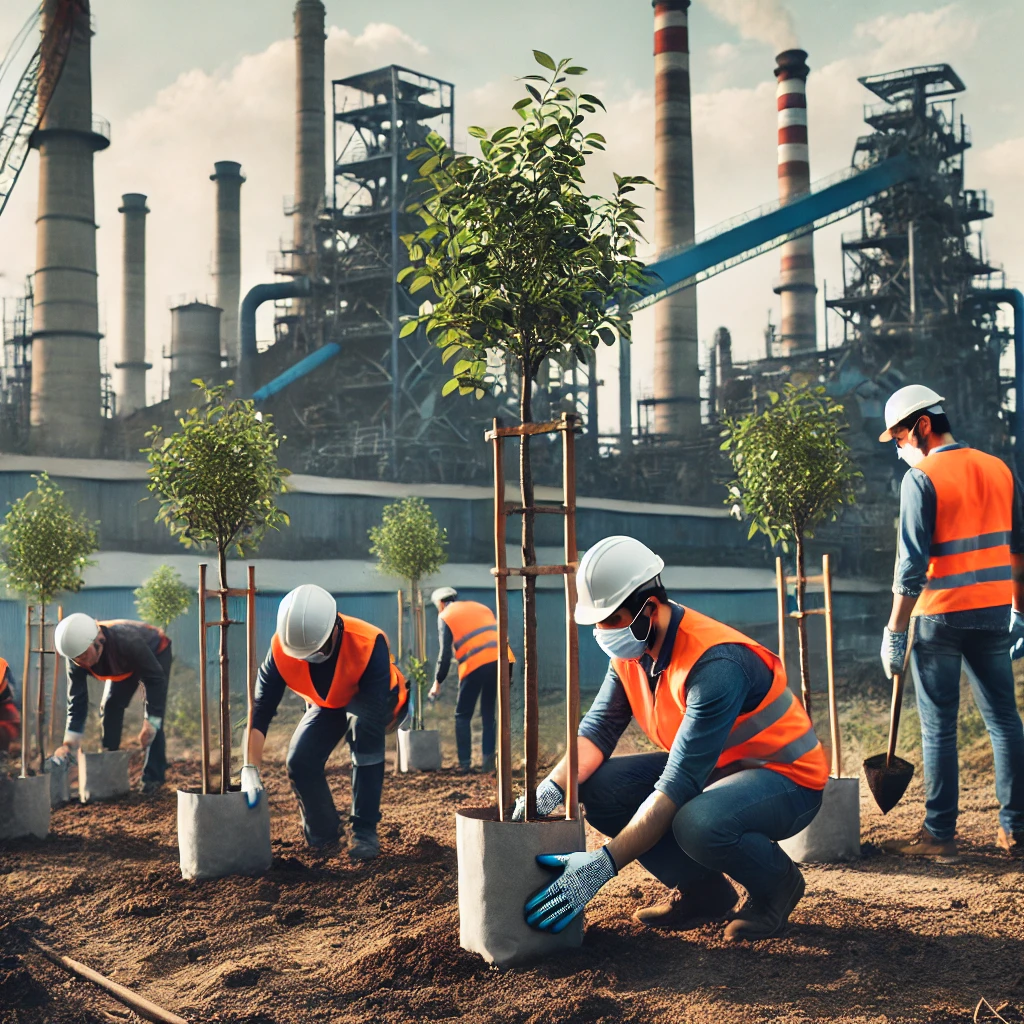
In alignment with these principles, regulatory frameworks have been established to support greenbelt development. The Central Pollution Control Board (CPCB) and the Ministry of Environment, Forest and Climate Change (MoEF) mandate that 33% of the total land area in industrial zones be designated for greenbelt development. This guideline is a scientifically-backed strategy to address environmental and health impacts. Furthermore, different industrial sectors must implement tailored greenbelt strategies based on their specific environmental challenges. For example, industries with high pollution levels might require robust species like the Neem , Pipal, or Bamboo for their rapid growth and pollution-absorbing properties. In contrast, other sectors might benefit from the cooling and filtering effects of trees like Mango or Peepal. By selecting appropriate plant species, companies can ensure their greenbelts effectively mitigate emissions and improve air quality.
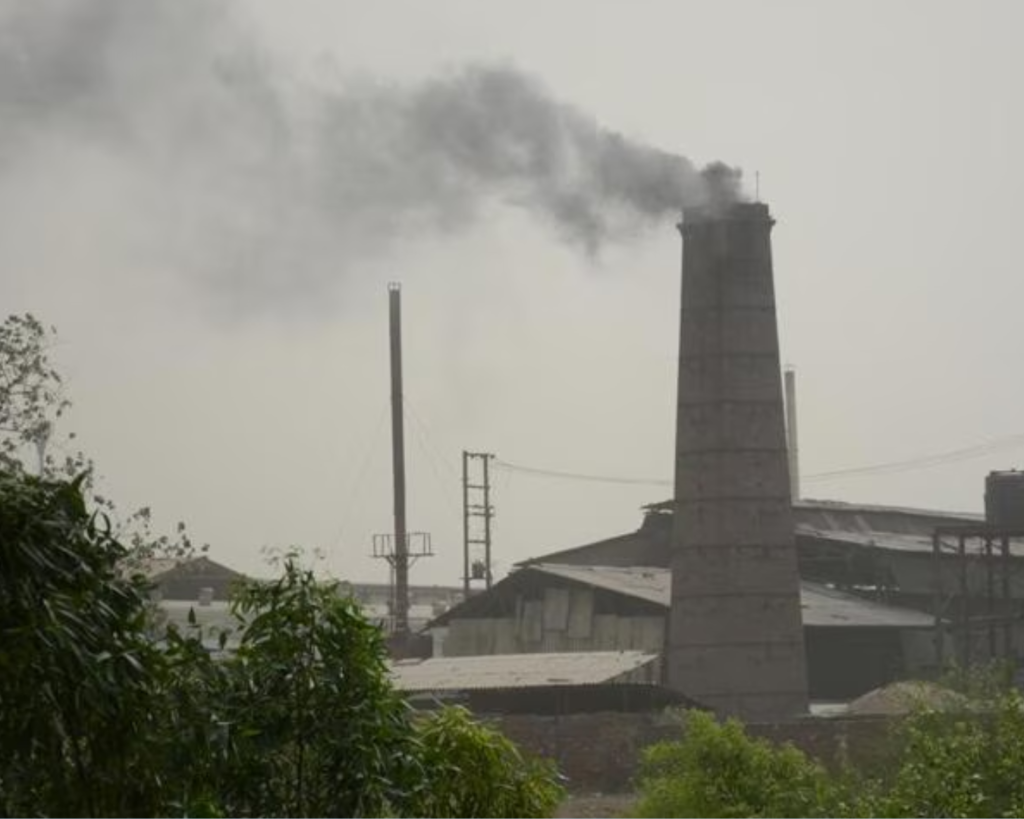
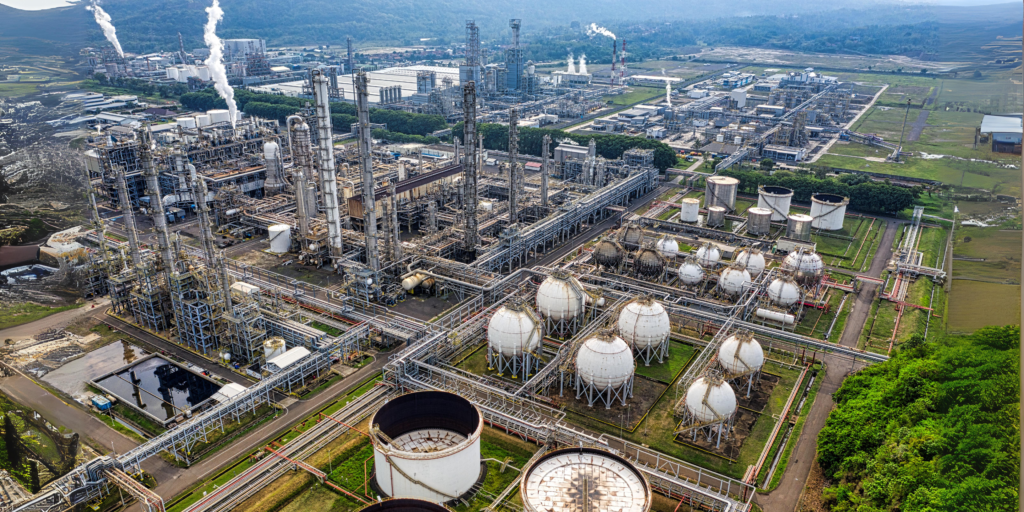
Industry emitting pollution in Ghaziabad
In Delhi’s heavily polluted National Capital Region, a steel plant in Ghaziabad faced severe air quality challenges due to industrial emissions. To tackle this issue, the plant implemented a greenbelt development program, transforming its surroundings with strategic tree planting. This transition led to a remarkable 30% reduction in particulate matter (PM2.5 and PM10) within just two years, significantly improving local air quality and fostering a healthier environment for both employees and nearby residents.
Currently, more industrialists have recognized the importance of greenbelt development as a strategy to mitigate air pollution and comply with environmental regulations but face significant challenges in choosing the appropriate plant species for greenbelt development within industrial zones. The need for plants that can endure harsh conditions—such as high temperatures, strong winds, and high levels of pollutants—complicates the selection process. Many companies struggle to identify species that not only survive but thrive under these extreme conditions. This often results some businesses rely on non-native species like eucalyptus or pine, which may grow quickly but are not well-suited for absorbing industrial toxins like sulfur dioxide (SO₂) or nitrogen oxides (NOₓ)
The consequences of these challenges are considerable. When greenbelt plantings do not meet the required standards for growth and resilience, they fail to provide the intended benefits, such as effective air filtration and temperature regulation. This undermines the greenbelt’s potential to improve air quality and reduce the heat island effect, leading to suboptimal environmental and health outcomes. Therefore, addressing these selection issues is crucial to ensuring that greenbelts fulfill their role in mitigating industrial pollution and enhancing overall environmental quality.
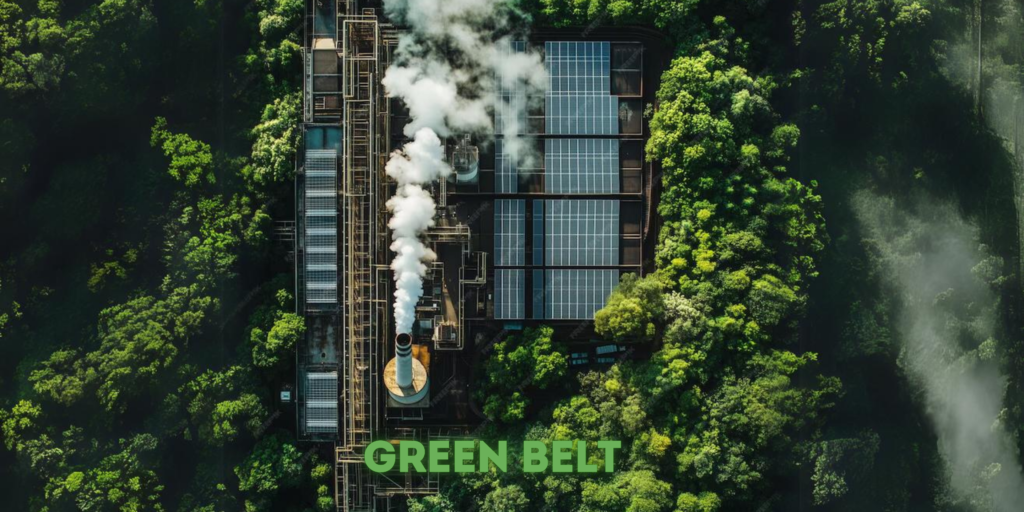
In summary, addressing industrial air pollution is crucial for safeguarding public health and ensuring sustainable business operations. With over half of India’s air pollution stemming from industrial activities, companies must recognize their role in this crisis. Implementing greenbelt development through strategic tree planting offers a practical solution to mitigate emissions and enhance air quality. As demonstrated by successful initiatives, such as the Ghaziabad steel plant, greenbelts can significantly reduce harmful pollutants and create healthier environments. By prioritizing environmental responsibility, businesses can protect their workforce, improve community relations, and contribute to a cleaner, more sustainable future. The time to act is now—let’s work together to breathe cleaner air and foster a healthier planet.
Want to transform your industrial environment? Book a demo or speak with our experts today!

Written by
Anjeeta Goud
Team- Business development and Strategy
Terracon Ecotech
Reference:
The impacts of Green Belt as an air pollution control
What are Industrial Green Belt, and Why are they Needed?
Different plant species respond differently to pollution
How do trees reduce air pollution?