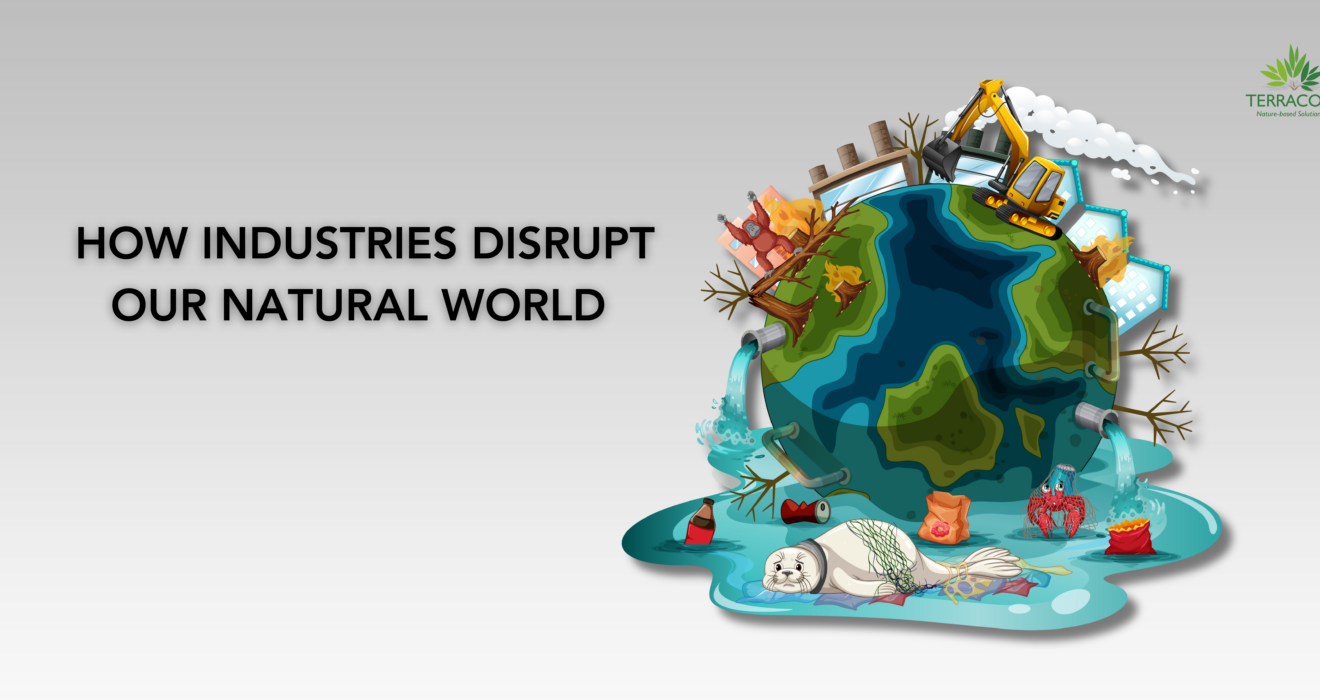
In today’s world, industries are increasingly recognized not only for the products they produce but for the environmental footprints they leave behind. One of the most pressing concerns is the loss of biodiversity, as businesses unintentionally contribute to the depletion of ecosystems through their operations. Whether it’s through unsustainable sourcing of materials, poor waste management, or ignoring the long-term impacts of their products, companies are inadvertently playing a role in eroding the very natural systems that they depend on.
But what’s even more concerning is the reverse impact; when businesses fail to safeguard biodiversity, they put themselves at risk. The very ecosystems that provide clean water, healthy soil, and stable climates are being degraded, leading to higher raw material costs, stricter regulations, and damage to brand reputation. This blog will explore why businesses need to rethink their strategies, address biodiversity concerns in their operations, and take responsibility for preserving the planet’s natural wealth for the future.
Why Does It Matters for Business?
Biodiversity is the lifeblood of ecosystems, providing essential services like clean air, water, food, and disease regulation. These services are estimated to be worth trillions of dollars annually. Without these ecosystems functioning properly, businesses would find it increasingly difficult to thrive. Did you know that almost half of the world’s GDP depends on nature? As human activities continue to damage ecosystems, businesses face growing risks, such as rising costs, tighter laws, and a potential loss of consumer trust.
So, it’s clear: ignoring biodiversity is no longer an option.
Companies that fail to factor biodiversity into their strategies may find themselves exposed to serious threats.
Upstream Considerations: Addressing Biodiversity from the Source
The real problem often starts at the upstream end of the business chain, where raw materials are sourced and processed. Industries like mining, agriculture, and palm oil production often lead to habitat destruction, deforestation, and species loss. For example, mining is responsible for a significant percentage of global deforestation, while unsustainable palm oil farming has wiped out rainforests in Southeast Asia.
But the problem isn’t just about direct harm; it’s also about lack of transparency. Without clear insight into where and how materials are sourced, companies might unknowingly support damaging practices. This is where businesses have an opportunity to turn things around. By prioritizing sustainable sourcing, businesses can reduce their environmental footprint. Companies like Unilever, for instance, have committed to sourcing all their palm oil from certified sustainable sources. By collaborating with suppliers, businesses can ensure their practices support biodiversity, and not harm it.
Downstream Considerations: Managing Product Impact
Once products leave the production line, they enter the downstream phase; where how they are used, disposed of, and recycled can cause further environmental damage. E-waste, for example, is a massive issue, with millions of tons of electronics ending up in landfills, contaminating water and soil. Similarly, textile waste is filling landfills at an alarming rate.
As consumer demand shifts toward more sustainable products, businesses that fail to offer eco-friendly solutions risk losing market share. Fortunately, circular economy principles offer a path forward. Companies can design products that are longer-lasting, recyclable, and reusable, like Patagonia’s model of encouraging repairs over replacements. Through life cycle assessments and consumer education, businesses can play a key role in reducing waste and minimizing environmental harm.
The Risks of Biodiversity Loss
Operational Risks
Unsustainable practices significantly impact the availability of natural resources, creating operational challenges for businesses. As resources become scarcer, costs rise, directly affecting supply chains and profit margins. Companies dependent on these resources may face disruptions in their operations, highlighting the critical need for sustainable practices.
Regulatory Risks
Governments worldwide are implementing stricter environmental regulations to safeguard biodiversity. Businesses failing to comply with these laws risk incurring hefty penalties and operational restrictions. Staying ahead of these regulations is crucial to maintaining smooth operations and avoiding legal complications.
Reputational Risks
With growing environmental awareness, consumers and investors are increasingly prioritizing eco-conscious brands. Companies that fail to measure and mitigate their environmental impact risk losing trust and support. Negative publicity can lead to long-term damage to reputation, affecting market position and financial stability.
For example, the steel industry is now under pressure to report biodiversity risks through frameworks like the Taskforce on Nature-related Financial Disclosures (TNFD). As investors prioritize sustainability, businesses failing to report or address biodiversity could lose customer trust and face declining market value.
Moreover, the market itself is changing, with market risks emerging as companies that fail to embrace sustainability risk falling behind their more eco-conscious competitors.
What Can Businesses Do?
So, what can businesses do to address these challenges? First, companies must assess the environmental impacts of their operations throughout the entire value chain. A “No Net Loss” approach is a valuable strategy, aiming to offset any negative impacts on biodiversity by investing in restoration and conservation efforts. Additionally, companies should explore nature-positive solutions and adopt circular economy principles to reduce waste, promote recycling, and use resources more efficiently.
By committing to sustainability, businesses can not only protect biodiversity but also unlock new opportunities for innovation and growth. Whether it’s by embracing sustainable sourcing, engaging in conservation projects, or designing products with a smaller ecological footprint, the actions taken today will determine the long-term success of businesses—and the health of our planet.
Conclusion:
Businesses must recognize that their actions have a profound impact on the environment. By addressing biodiversity loss both upstream and downstream, companies can safeguard ecosystems, protect their reputation, and ensure long-term viability. The urgency to adopt sustainable practices has never been clearer, and those who act now will secure both a healthier planet and a more resilient business model in the future.

Written by
Anjeeta Goud
Team- Business development and Strategy
Terracon Ecotech
Reference :
Nature degradation and the resulting biodiversity loss